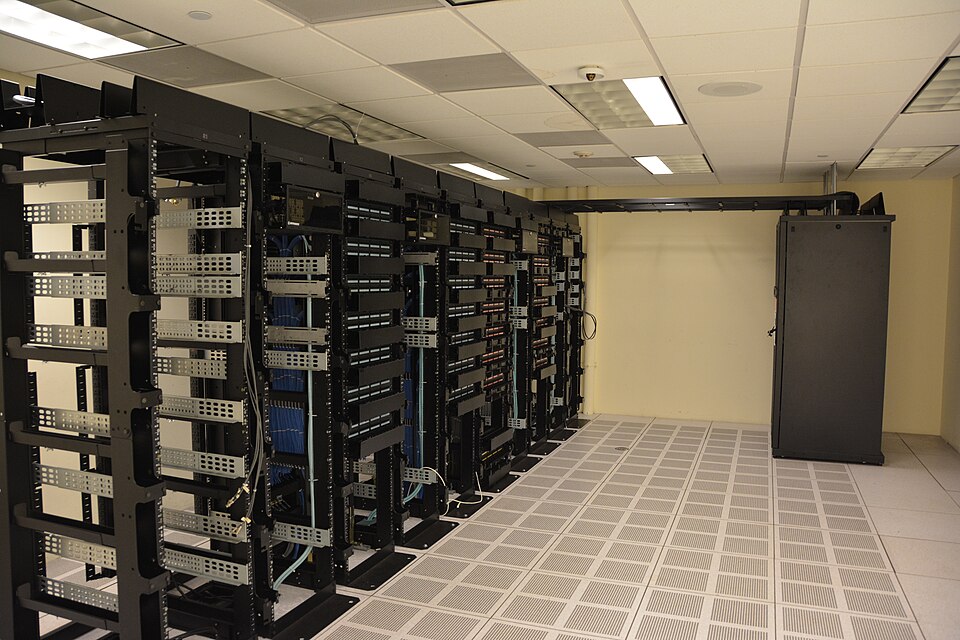
- In the data centre, water cools the chips directly and leaves the racks hot.
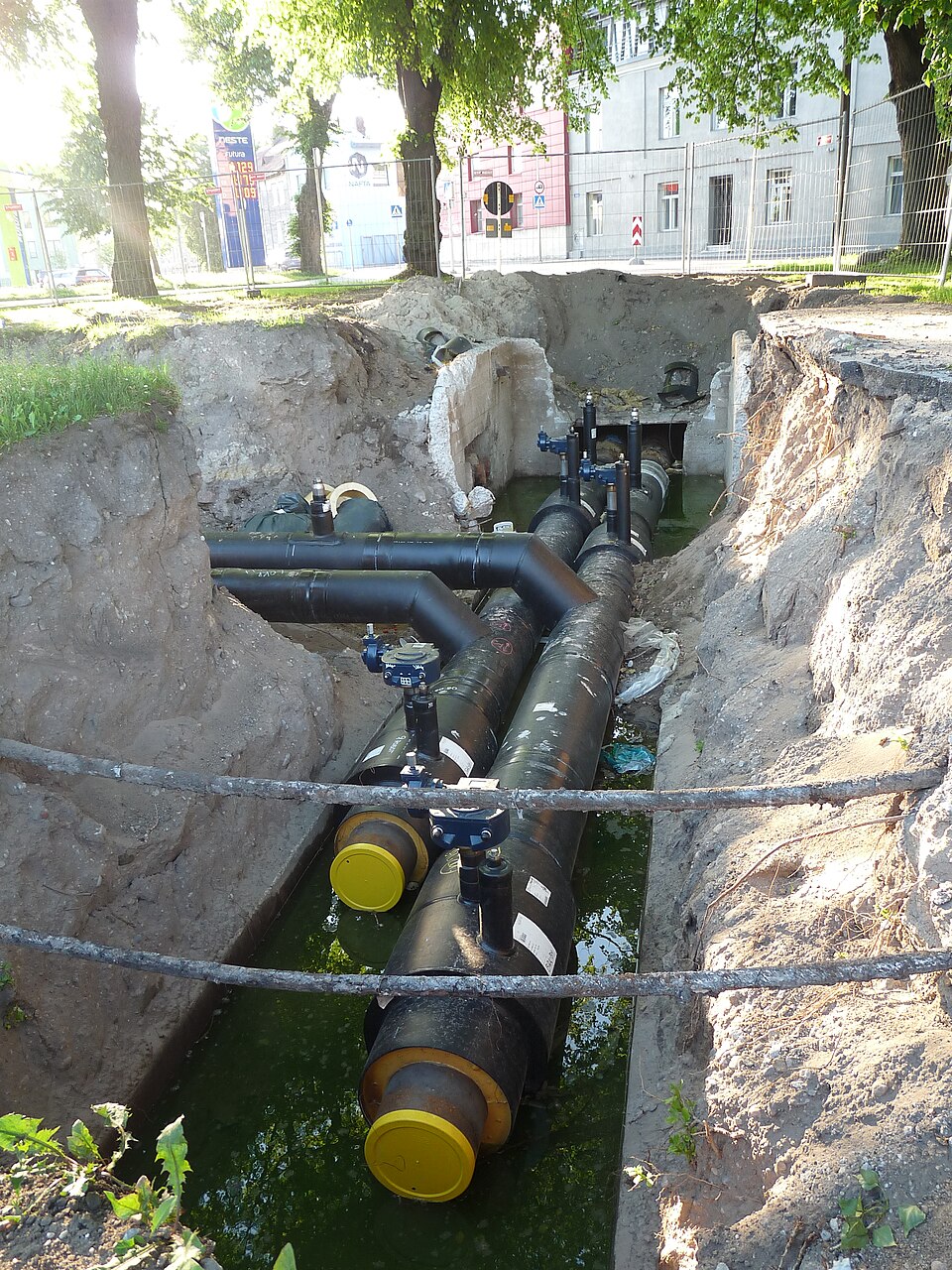
- The warm water runs out under the street in an insulated heating network.
- Homes, offices and hotels take the heat. The water comes back to cool the servers again.
Cloud that heats.
Sovereign open-source cloud from Dresden, on our infrastructure or yours. The servers are cooled with hot water, and their heat warms buildings.
Servers that heat buildings.
Cooling alone eats up to 40 % of a data centre's energy. We cool with hot water directly at the hardware instead, so the heat leaves the rack as warm water a building can use.
- Hot water at the chip. Water flows directly over the hardware, so no energy is spent chilling the air of a whole room.
- Warm water leaves the rack. A heat exchanger passes the heat into a building's heating circuit or a district heating network.
- Buildings use it. The network carries it under the street into homes, offices and hotels; cooled water flows back to the servers.
Each lit window stands for 11 households heated for a year by the IT load you set: 13 of 107 lit. An illustration of the principle, not a site plan.
Run it with us,
or on your own racks.
16 products in 4 families: managed cloud, on-premises appliances, Proxmox, and energy-efficient data centres.
- Cloud services
Moving to the cloud offers countless options. Together we create pragmatic solutions and an individual, scalable operating model for developing your applications or platform.
- On-premises cloud
Whether you already run your own hardware, need support in specific circumstances or want a complete turnkey solution, our on-premises cloud infrastructures give you scalable, secure, data-sovereign IT based on open source, directly on your premises.
- Proxmox and consulting
Setting up and operating modern cloud infrastructure takes more than theory. Our experts bring practical know-how on OpenStack, Kubernetes and Proxmox VE, drawn from running production clouds and many client projects.
- Energy-efficient data centres
Do you want to increase the power density of your digital infrastructure or optimise the energy efficiency of your data centre? Our interdisciplinary team supports you with years of expertise in efficient cooling and waste-heat utilisation.
Built on open source.
Every layer of our cloud is open, auditable and yours to take elsewhere. OpenStack reduces vendor lock-in, which increases transparency and gives you digital sovereignty.
What customers say
Cloud&Heat Technologies is our Managed Kubernetes provider because they can keep up with the big players in terms of price and, above all, technology, but make an important contribution to preserving our planet with their energy-efficient infrastructures.
“Cloud&Heat Technologies is our Managed Kubernetes provider because, as a regional, SME-orientated provider, they communicate with us on an equal footing and are easily accessible for questions.”
“Cloud&Heat is our cloud technology partner because they support the development and expansion of our cloud infrastructure with their concentrated OpenStack expertise and thus make a significant contribution to our vision of a European cloud for companies.”
Built with us.
Public clouds, AI platforms, a water-cooled server and green infrastructure for an energy supplier: built and run together with our customers.
- 2020STACKITCompetent support for the establishment and further development of public clouds
- 2018Thomas-KrennBlue Angel certification of jointly developed water-cooled server
- 2020elevaitManaged Kubernetes for AI applications
- 2018EnBWAdvice on building a green digital infrastructure for energy suppliers
- 2025Climate Alliance ServicesCITY CYCLING campaign on our infrastructure
- 2020NyrisVisual search engine (AI application) on our infrastructure
- 11All referencesEvery project and what we built for it.
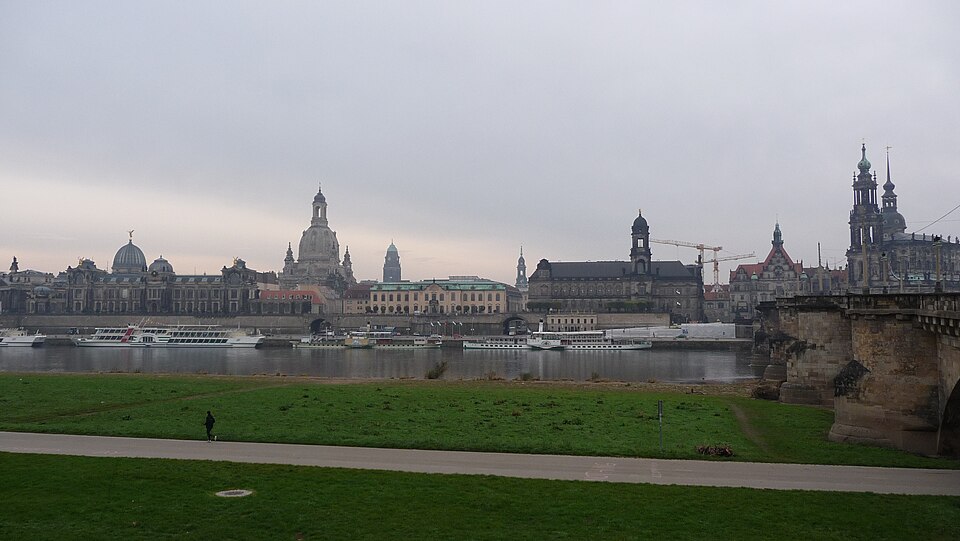
Dresden
since 2011.
Digital infrastructure that is ecologically sustainable, built on open-source software, and efficient enough to slow the IT industry's growing appetite for resources.
Meet the company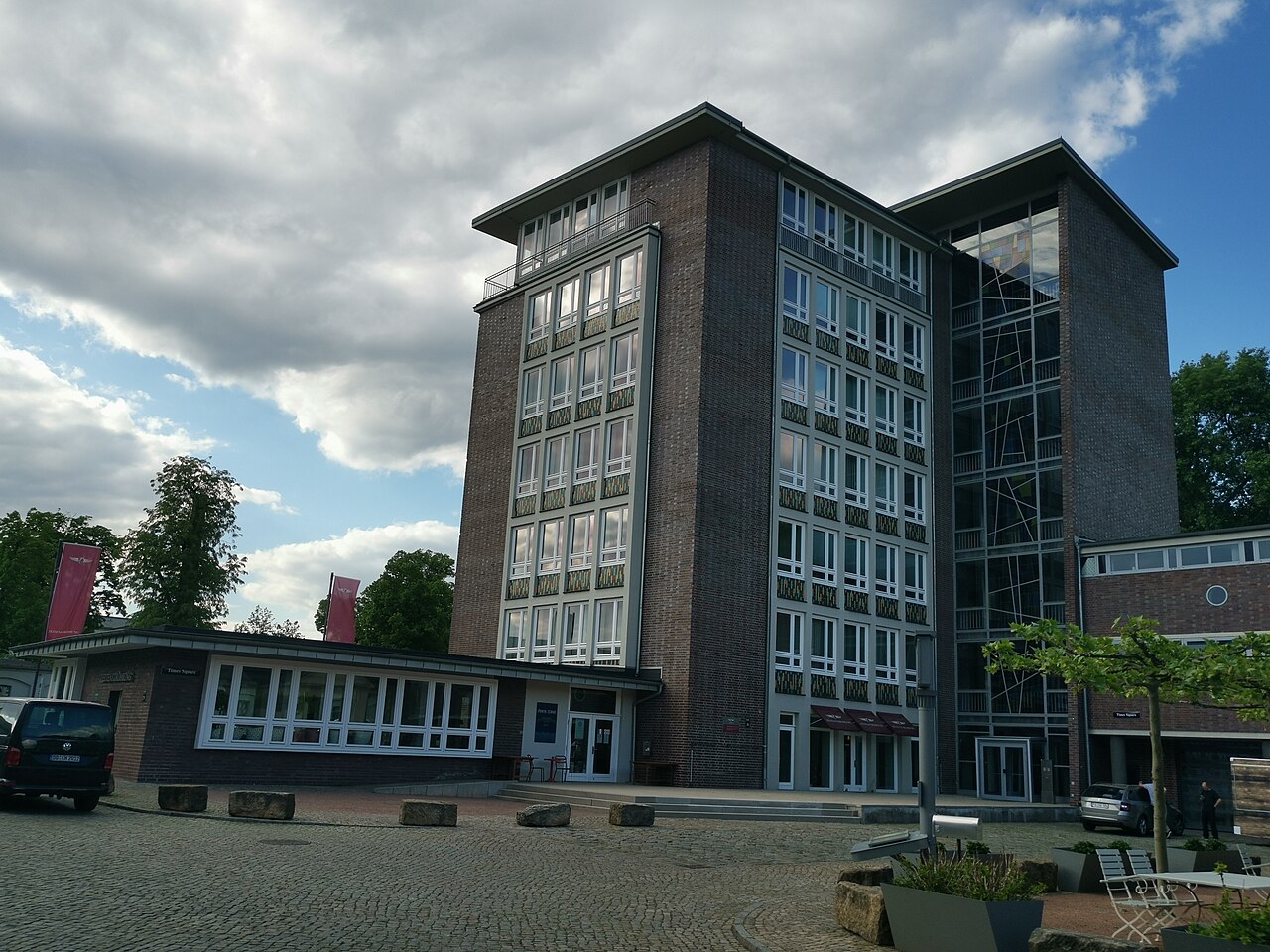
Green
Our goal is to make digital infrastructures holistically ecologically sustainable.
Open
We rely on open-source software for operating digital infrastructures and increase transparency in the cloud and data-centre market.
Efficient
By using economically and ecologically efficient technologies at the same time, we put the brakes on the IT industry's increasing consumption of resources.
- 84
- people work at Cloud&Heat, 9 of them in training
- 20+
- locations in Germany and Europe running our air- and water-cooled servers
- 14
- awards, 3 of them the German Data Centre Award
- ISO/IEC 27001:2022
- ISO 9001:2015
- Certified SCS-compatible IaaS
- Blue Angel eco-label
Put your servers
to work.
Talk to an engineer. Tell us what you want to run and where.
- Visit
- Zeitenströmung – Halle 15
Königsbrücker Straße 96, 01099 Dresden, Germany
Picture credits 8
- Eurotheum Frankfurt am Main by Choinowski, CC BY-SA 4.0
- Zeitenströmung Dresden 2020-05-20 by Z thomas, CC BY-SA 4.0
- District heating pipes by Dmitry G, Public domain
- View of Dresden Altstadt from across the Elbe 2010 by JopkeB, CC BY-SA 4.0
- Datacenter Server Racks by Carl Lender, CC BY 2.0
- Rear of rack at NERSC data center - closeup by Derrick Coetzee, CC0
- Wikimedia racks ULSFO 2013 06 20 03 servers by Mutante, CC BY-SA 3.0
- Wikimedia racks ULSFO 2013 06 20 05 servers by Mutante, CC BY-SA 3.0


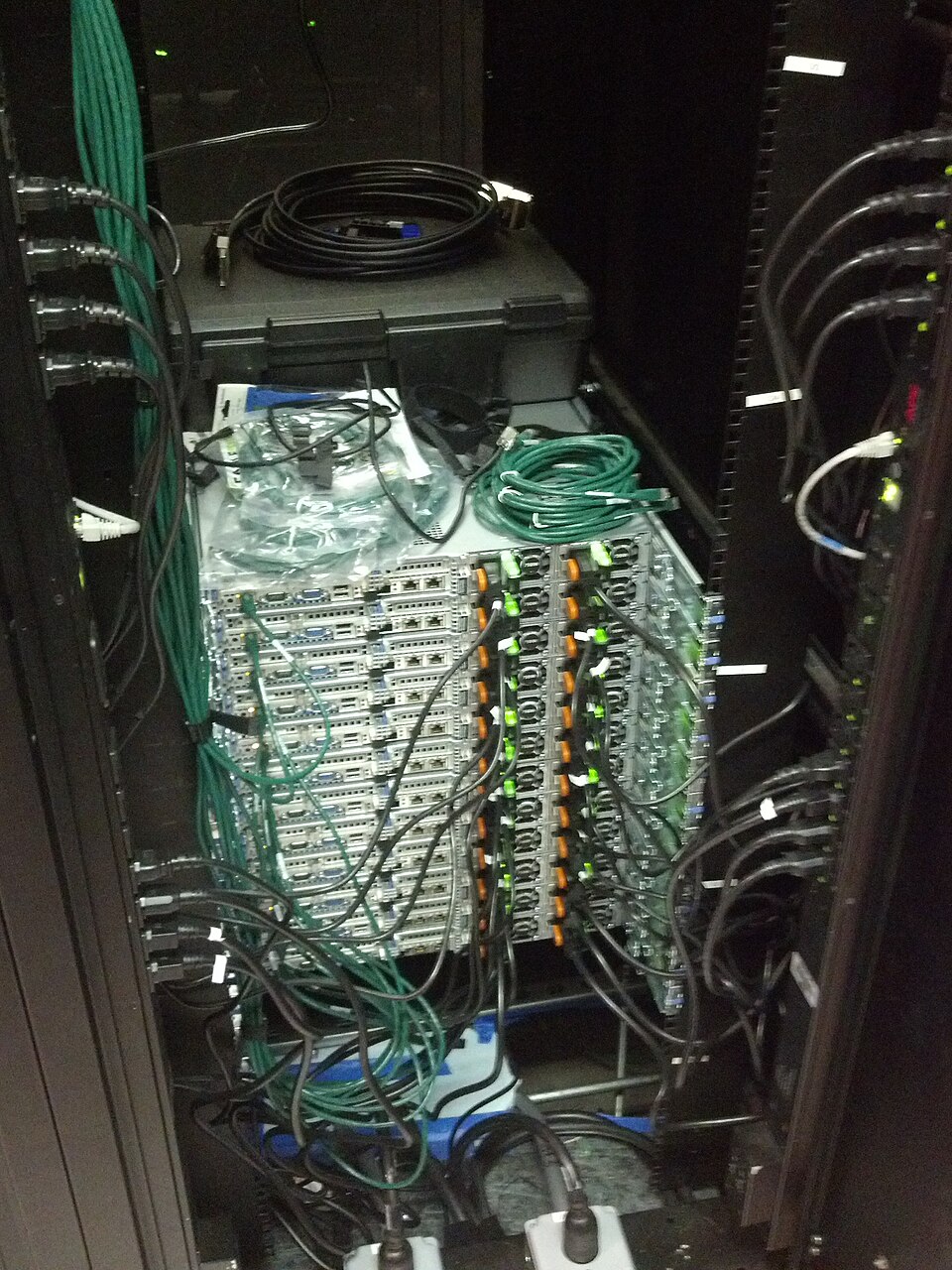
Photographs from Wikimedia Commons show data centres, Frankfurt, Dresden and district heating in general.